
How Diet and Nutrition Affect Your Beard Growth
You can use every premium beard product on the market, but if your body is not getting the right nutrients, your beard will never reach its full potential. The truth that most grooming brands will not tell you is that beard growth starts from the inside. What you eat directly impacts how thick, fast, and healthy your facial hair grows.
At SickBeard, we believe in a complete approach to beard care. That means premium topical products like our carefully formulated Beard Oil and Beard Balm, combined with the nutritional foundation your body needs to produce strong, healthy facial hair. In this guide, we break down the science of how diet affects beard growth and give you a practical nutrition plan to support the beard you want.
The Biology of Beard Growth
Before diving into specific nutrients, it helps to understand what is actually happening when your beard grows. Facial hair growth is driven by two key hormones: testosterone and dihydrotestosterone (DHT). Testosterone primes the hair follicle, while DHT is the hormone primarily responsible for the thickness and density of facial hair.
Your body converts testosterone to DHT through an enzyme called 5-alpha reductase. The more efficiently this process works, and the more sensitive your follicles are to DHT, the thicker your beard tends to grow. Genetics play the biggest role here, but nutrition directly impacts hormone production, blood flow to follicles, and the structural proteins that make up each hair strand.
Each hair on your face goes through three phases: anagen (active growth, lasting 2-6 years), catagen (transition, about 2 weeks), and telogen (resting, about 3 months). The goal of good nutrition is to maximize the anagen phase, keep follicles healthy, and provide the raw materials your body needs to build strong hair.
Essential Vitamins for Beard Growth
Biotin (Vitamin B7)
Biotin is the vitamin most commonly associated with hair growth, and for good reason. It plays a critical role in the production of keratin, the protein that makes up your hair, skin, and nails. A biotin deficiency can lead to thinning hair, brittle strands, and slower growth.
Best food sources: Eggs (especially the yolk), almonds, sweet potatoes, spinach, broccoli, and whole grains. A single egg provides about 33% of your daily biotin needs.
How much you need: The recommended daily intake is 30 micrograms for adults. Most men who eat a balanced diet get enough biotin naturally. Supplements can help if you are deficient, but mega-dosing beyond what your body needs has not been proven to accelerate growth.
Vitamin D
Vitamin D is crucial for hair follicle cycling. Research has shown that vitamin D receptors in hair follicles play a role in initiating the anagen (growth) phase. Low vitamin D levels have been linked to alopecia and slower hair growth.
Best food sources: Fatty fish (salmon, mackerel, sardines), fortified milk, egg yolks, and mushrooms exposed to sunlight. However, the most efficient source is direct sunlight exposure, about 15-20 minutes per day.
How much you need: 600-1000 IU daily. Many men are deficient, especially those living in northern climates or working indoors. A blood test can confirm your levels, and supplementation is common and effective.
Vitamin A
Vitamin A supports sebum production, the natural oil your skin produces that keeps both your skin and beard moisturized. Without adequate sebum, your beard becomes dry and brittle, and the skin underneath gets flaky and irritated.
Best food sources: Sweet potatoes, carrots, kale, spinach, red bell peppers, and liver. One medium sweet potato provides over 400% of your daily vitamin A needs.
Important note: Too much vitamin A can actually cause hair loss. Stick to food sources rather than high-dose supplements unless directed by a doctor. For external moisturizing, pair your diet with SickBeard Beard Oil ($14.99), which uses lanolin to deliver deep hydration where your natural sebum cannot reach.
Vitamin E
Vitamin E is a powerful antioxidant that protects hair follicles from oxidative stress and damage. It also improves blood circulation to the scalp and face, ensuring that nutrients reach your follicles efficiently.
Best food sources: Almonds, sunflower seeds, avocados, spinach, and olive oil. A handful of almonds provides about 50% of your daily vitamin E needs.
Vitamin C
Vitamin C is essential for collagen production, which provides structure to hair and skin. It also enhances iron absorption, another critical nutrient for hair growth. As an antioxidant, it protects follicles from free radical damage caused by pollution, UV exposure, and stress.
Best food sources: Citrus fruits, bell peppers, strawberries, broccoli, and Brussels sprouts.
Essential Minerals for Beard Growth
Zinc
Zinc is arguably the most important mineral for beard growth. It plays a direct role in protein synthesis and cell division, both of which are essential for hair growth. Zinc also supports testosterone production, the hormone that drives facial hair development.
Best food sources: Oysters (by far the richest source), red meat, pumpkin seeds, chickpeas, cashews, and dark chocolate. Six oysters provide over 300% of your daily zinc needs.
How much you need: 11 mg daily for adult men. Zinc deficiency is more common than most people realize, especially in men who exercise heavily or eat primarily plant-based diets.
Iron
Iron carries oxygen to your cells, including hair follicles. Iron deficiency is one of the most common nutritional causes of hair thinning and slow growth. Your follicles need a steady supply of oxygenated blood to maintain the energy-intensive process of growing hair.
Best food sources: Red meat, organ meats, lentils, spinach, tofu, and fortified cereals. Pairing iron-rich foods with vitamin C dramatically increases absorption.
Magnesium
Magnesium supports over 300 enzymatic reactions in the body, including protein synthesis and hormone regulation. It also helps reduce cortisol, the stress hormone that can inhibit beard growth by disrupting the hair growth cycle.
Best food sources: Dark chocolate, avocados, nuts, seeds, legumes, and whole grains.
Protein: The Building Block of Beard Hair
Your beard is made almost entirely of a protein called keratin. Without adequate protein intake, your body simply does not have the raw materials to build strong, thick facial hair. This is one of the most overlooked aspects of beard growth.
How much you need: Aim for at least 0.8 grams of protein per pound of body weight if you are active, or 0.5 grams per pound for sedentary individuals. For a 180-pound man, that is 90-144 grams of protein daily.
Best sources for beard growth:
Eggs: The gold standard. Eggs contain protein, biotin, zinc, and vitamin D in one affordable package. Aim for 2-3 eggs daily.
Salmon: Provides protein plus omega-3 fatty acids that reduce inflammation around follicles and promote blood flow. Two servings per week is ideal.
Chicken breast: Lean, high-quality protein that is easy to prepare and budget-friendly.
Greek yogurt: High in protein with the added benefit of probiotics for gut health, which supports nutrient absorption.
Omega-3 Fatty Acids: The Anti-Inflammatory Powerhouse
Omega-3 fatty acids deserve special attention because of their powerful anti-inflammatory properties. Inflammation around hair follicles can slow growth, cause irritation, and contribute to beard dandruff. Omega-3s promote blood flow to follicles and help maintain the lipid barrier that keeps your skin and beard moisturized from within.
Best food sources: Fatty fish (salmon, mackerel, sardines), walnuts, chia seeds, flaxseeds, and fish oil supplements.
How much you need: Aim for at least two servings of fatty fish per week, or 1000-2000 mg of combined EPA and DHA from a fish oil supplement.
For external moisture support, pair your omega-3 intake with a good beard conditioner. The combination of internal and external hydration produces the best results for dry, coarse beards.
Hydration: The Most Overlooked Factor
Water is not a nutrient in the traditional sense, but dehydration is one of the fastest ways to sabotage your beard growth. Your body prioritizes vital organs when water is scarce, and hair follicles are low on the priority list. Chronic mild dehydration leads to dry, brittle beard hair and flaky skin underneath.
How much you need: A minimum of half your body weight in ounces daily. For a 180-pound man, that is 90 ounces, roughly 11 cups. Increase this if you exercise, drink coffee, or live in a dry climate.
Pro tip: If you are consistently dealing with a dry, brittle beard despite using quality products, your hydration might be the missing piece. Start tracking your water intake for two weeks and see if your beard texture improves.
Foods That Hurt Beard Growth
Just as certain foods promote beard growth, others can actively slow it down. Being aware of these dietary pitfalls is just as important as loading up on the right nutrients.
Excess Sugar
High sugar intake causes insulin spikes that can disrupt hormone balance and increase inflammation. Chronic inflammation suppresses hair growth and can lead to weaker, thinner strands. This does not mean you need to eliminate sugar entirely, but reducing processed sugar and sweetened drinks makes a measurable difference.
Excessive Alcohol
Alcohol depletes zinc, dehydrates your body, and can lower testosterone levels when consumed in excess. Occasional moderate drinking is fine, but heavy or frequent alcohol consumption will impact your beard over time.
Highly Processed Foods
Foods high in trans fats, artificial preservatives, and refined carbohydrates provide empty calories without the nutrients your follicles need. They also promote inflammation, which is the enemy of healthy hair growth.
Soy in Excess
While moderate soy consumption is fine for most men, very high intake has been associated with increased estrogen-like activity in some studies. Given that beard growth is testosterone-driven, extreme soy consumption may not be ideal if you are trying to maximize facial hair growth.
A Sample Day of Beard-Boosting Nutrition
Here is what a full day of eating for optimal beard growth might look like:
Breakfast: 3-egg omelet with spinach, bell peppers, and cheese. Side of whole grain toast with avocado. Glass of orange juice (vitamin C boosts iron absorption from the spinach).
Mid-morning snack: Handful of mixed nuts (almonds, walnuts, cashews) and a piece of dark chocolate.
Lunch: Grilled salmon with sweet potato and steamed broccoli. Glass of water with lemon.
Afternoon snack: Greek yogurt with berries and a tablespoon of chia seeds.
Dinner: Lean steak with roasted vegetables (carrots, Brussels sprouts, kale) and quinoa. Water throughout.
Evening: Herbal tea (chamomile or green tea for antioxidants).
This meal plan hits every nutrient your beard needs: protein, biotin, zinc, iron, vitamins A through E, omega-3s, and plenty of hydration. You do not need to eat exactly this way every day, but using it as a template ensures you are covering all your nutritional bases.
Supplements: Do You Need Them?
The supplement industry would love for you to believe that a magic pill can give you a thick beard overnight. The reality is more nuanced. If you are eating a balanced diet like the one outlined above, you are likely getting everything you need from food.
However, certain supplements can fill specific gaps:
Vitamin D: If you live in a northern climate or work indoors, supplementation is almost always beneficial. Get your levels tested first.
Zinc: If you are vegan, vegetarian, or exercise heavily, a 15-25 mg zinc supplement can help maintain optimal levels.
Fish oil: If you do not eat fish regularly, 1000-2000 mg of EPA/DHA daily supports both beard health and overall wellness.
Biotin: Only supplement if you are actually deficient. Random biotin supplementation in men with adequate levels has not been shown to improve hair growth.
Beard-specific multivitamins: Most are overpriced combinations of the nutrients listed above. You are better off targeting specific deficiencies than taking a one-size-fits-all supplement.
Combining Nutrition with Quality Beard Care
The best results come from attacking beard health from both sides: nutrition from within and quality products from the outside. Think of it this way: nutrition gives your follicles the raw materials to grow strong hair, while topical products protect, condition, and maintain what has already grown.
This is exactly why SickBeard products are formulated with lanolin oil. Lanolin mimics your body’s natural sebum, delivering moisture deep into each strand where nutrition has already built a strong foundation. It is the perfect complement to a nutrient-rich diet.
Our recommended routine to support a healthy beard:
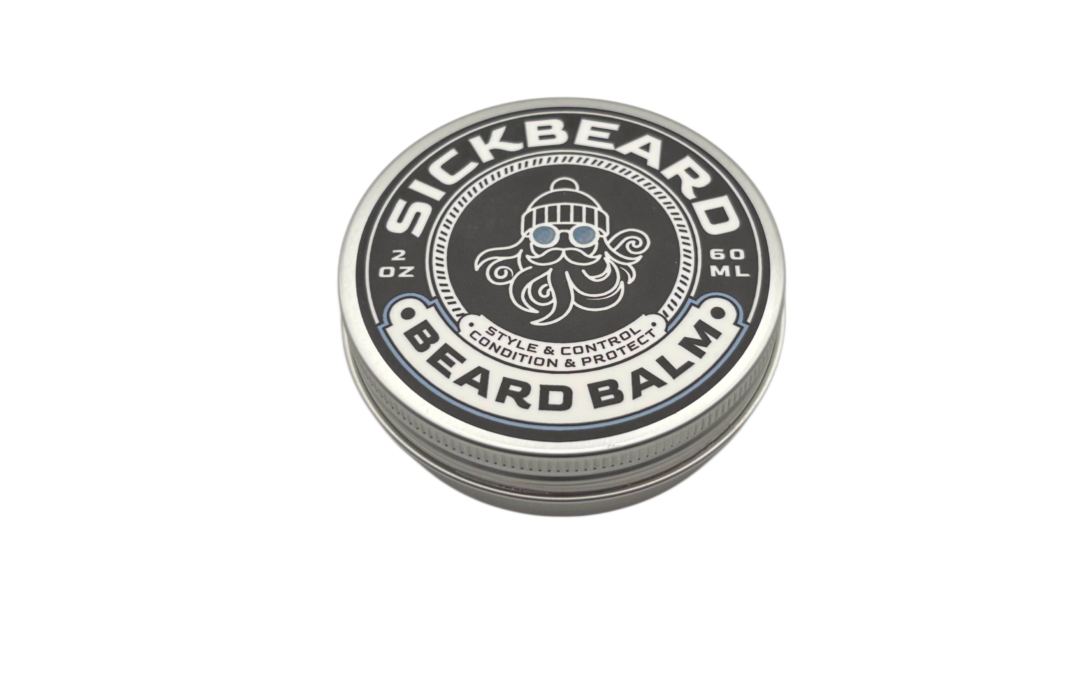
Morning: Apply 3-5 drops of SickBeard Beard Oil ($14.99) after your morning wash. Follow with Beard Balm ($17.99) for hold and all-day protection. Comb through with the SickBeard Beard Comb ($12.99).
Weekly: Deep condition with a beard conditioner after washing to maintain softness and prevent breakage.
All SickBeard products are carefully formulated in Oregon with premium ingredients and backed by a 30-day money-back guarantee. When you combine the right nutrition with the right products, your beard has everything it needs to reach its full potential.
The Bottom Line
Growing a great beard is not just about genetics and grooming products. What you put into your body matters just as much as what you put on your beard. Focus on protein, zinc, biotin, vitamins A through E, omega-3 fatty acids, and proper hydration. Minimize processed foods, excess sugar, and heavy alcohol consumption.
Give your body the building blocks it needs, maintain a consistent grooming routine with quality products, and be patient. Beard growth is a marathon, not a sprint. But when you get the nutrition right and pair it with SickBeard’s premium beard care products, you are giving yourself the best possible foundation for the beard you have always wanted.