
7 Common Beard Problems and How to Fix Them
Growing a beard sounds simple. Stop shaving and let nature do its thing. But anyone who has actually committed to growing facial hair knows that simplicity is an illusion. Between the itching, the flaking, the uneven patches, and the general unruliness, growing and maintaining a beard comes with real challenges that can make even the most dedicated beardsman consider reaching for the razor.
The good news is that every common beard problem has a solution. Most of these issues stem from the same root causes: inadequate moisture, poor hygiene, or simply not knowing the right techniques. In this guide, we will walk through the seven most common beard problems men face and give you practical, actionable solutions for each one.
Problem 1: Beard Itch
If there is one problem that kills more beards than any other, it is the itch. That maddening, persistent irritation that starts around week two and can last for months if left unaddressed. Beard itch is the number one reason men give up on growing facial hair, and it is entirely preventable.
Why It Happens
Beard itch has two primary causes. The first is dry skin. When you shave regularly, the skin on your face is exposed to moisturizers, cleansers, and natural air circulation. Once beard hair starts growing in, it covers the skin and creates a barrier that traps dead skin cells while blocking moisture from reaching the surface.
The second cause is the hair itself. When you shave, the razor cuts each hair at an angle, creating a sharp edge. As that hair grows back, those sharp tips can curl slightly and poke into the surrounding skin, causing irritation and micro-inflammation.
How to Fix It
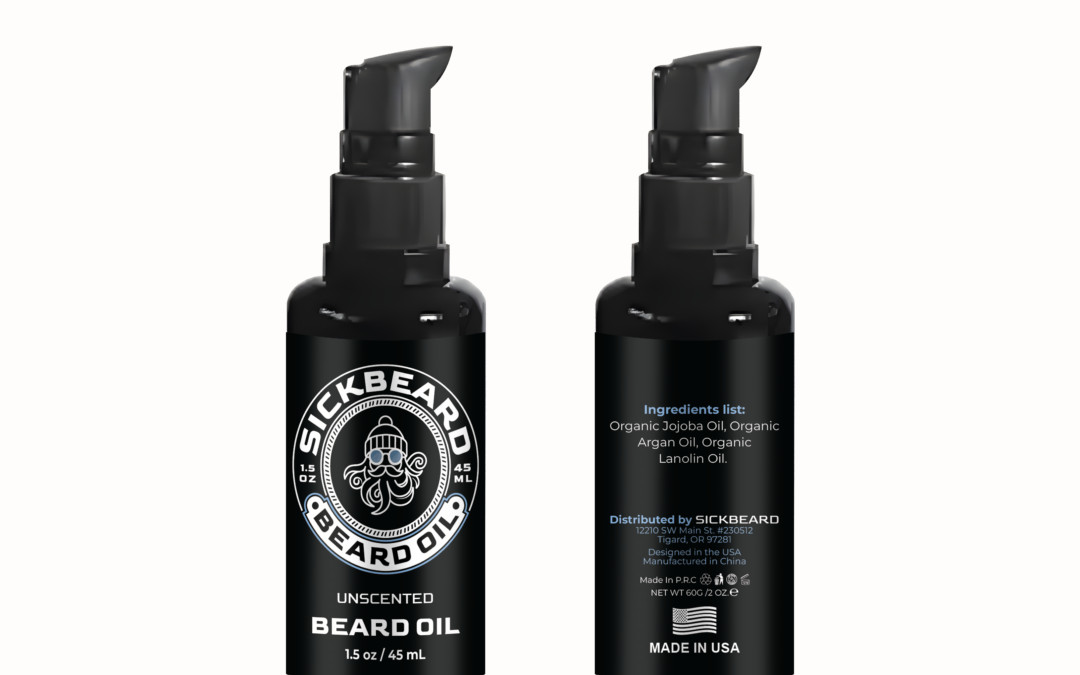
Start using beard oil immediately. Do not wait until your beard is long enough to style. The moment you decide to grow a beard, begin applying a quality beard oil like SickBeard Beard Oil ($14.99) daily. The oil hydrates the skin underneath, softens the sharp hair tips, and creates a more comfortable growing environment. Our formula includes lanolin oil, which penetrates deeper than standard oils and provides longer-lasting moisture.
Wash your beard properly. Use lukewarm water and a gentle cleanser. Avoid regular soap or body wash on your beard, as these strip away natural oils and make dryness worse. After washing, pat dry and apply oil while your beard is still slightly damp for maximum absorption.
Resist the urge to scratch. Scratching feels good momentarily but causes micro-tears in the skin that lead to more irritation and potential infection. If your skin feels dry and tight, massage a few drops of beard oil into that spot with your fingertips. An itch that is severe or will not go away is worth showing to a doctor.
Problem 2: Beard Dandruff (Beardruff)
Those white flakes on your shirt collar are not just annoying. They are a visible sign that your skin is not getting the care it needs. Beard dandruff, commonly called beardruff, affects a significant percentage of bearded men and is one of the most embarrassing beard problems to deal with.
Why It Happens
Beardruff is caused by dry, flaking skin beneath your beard. The primary culprits are insufficient moisture, harsh cleansing products that strip natural oils, cold or dry weather conditions, and in some cases, a fungal condition called seborrheic dermatitis. The beard hair traps these dead skin flakes and makes them more visible when they eventually fall.
How to Fix It
Establish a consistent moisture routine. This is the single most important step. Apply SickBeard Beard Oil daily, making sure to massage it into the skin beneath your beard, not just the hair. The lanolin in SickBeard oil is a natural wax from sheep’s wool that helps dry skin hold its moisture through the day.
Exfoliate gently. Once or twice a week, use a soft-bristle brush to gently work through your beard down to the skin. This loosens dead skin cells and prevents them from building up. Follow immediately with beard oil to moisturize the freshly exposed skin.
Use a beard conditioner. Adding one to your shower routine two to three times per week provides deep conditioning that keeps both hair and skin hydrated. This is especially important during winter months when indoor heating and cold outdoor air create a one-two punch of dryness.
Check your water temperature. Hot water strips natural oils from your skin faster than anything else. When washing your beard, use lukewarm water. It may not feel as satisfying, but your skin will thank you.
Problem 3: Patchy Beard Growth
You have been growing for months, but certain areas just will not fill in. The cheeks are thin, there is a gap near the jawline, or one side grows faster than the other. Patchy beard growth is incredibly common and arguably the most frustrating problem on this list because it feels like something you cannot control.
Why It Happens
Beard growth patterns are primarily determined by genetics and hormones. Testosterone and dihydrotestosterone (DHT) drive facial hair growth, but the density and distribution of your hair follicles is genetically predetermined. Some men have dense follicle coverage across their entire face, while others have natural thin spots. Age also plays a role. Many men find their beards filling in throughout their twenties and even into their thirties.
How to Fix It
Give it more time than you think. This is the advice nobody wants to hear, but it is the most important. Most men judge their beard growth far too early. What looks patchy at four weeks may look completely different at twelve weeks. Longer hair from the surrounding areas can cover thinner spots effectively. Commit to at least three months before making any judgments about your beard’s potential.
Keep the area healthy. You cannot change your genetics, but you can take good care of the beard you have. Use SickBeard Beard Oil daily to keep the skin moisturized and the existing hair soft. Soft, conditioned hair lies flatter, which can make thin spots less noticeable.
Train your beard with a comb. Regular combing with a SickBeard Beard Comb ($12.99) trains your hair to grow in specific directions. Over time, you can direct hair from thicker areas to cover thinner spots naturally. This is a technique that takes patience but produces real results.
Focus on overall health. Diet, exercise, sleep, and stress management all influence hormone levels and hair growth. While the effects are gradual, improving your overall health gives your beard the best possible chance to reach its full potential.
Problem 4: Dry, Brittle Beard Hair
Your beard feels like straw. The hair is rough, breaks easily, and looks dull and lifeless no matter what you do. Dry, brittle facial hair is not just a cosmetic issue. It is a sign that your hair is damaged and needs serious attention before the problem gets worse.
Why It Happens
Beard hair is naturally drier than head hair because the sebaceous glands on your face produce less oil than those on your scalp. As your beard gets longer, it becomes harder for what oil your skin does produce to travel the full length of each hair strand. The ends dry out first, becoming brittle and prone to splitting. Harsh cleansing products, hot water, excessive heat styling, and environmental exposure all accelerate the drying process.
How to Fix It
Layer your moisture products. Start with SickBeard Beard Oil for deep penetration, then seal it in with SickBeard Beard Balm ($17.99) for lasting protection. The balm creates a barrier that prevents moisture from evaporating throughout the day.
Deep condition regularly. Use a beard conditioner during every shower. Let it sit for two to three minutes before rinsing.
Stop using regular shampoo on your beard. The shampoo designed for your head hair is formulated for scalp chemistry, which is very different from facial skin chemistry. It is almost always too harsh for your beard and will strip away essential oils.
Trim the damage. If the ends of your beard are split and frayed, no amount of conditioning will fully repair them. Have a barber trim the damaged ends, then maintain your healthier beard with a proper care routine going forward.
Problem 5: Split Ends
Split ends are not just a problem for the hair on your head. Beard hair is equally susceptible, and because facial hair is coarser, splits can be more noticeable and harder to manage. If you notice frayed, Y-shaped tips on your beard hair, you are dealing with split ends.
Why It Happens
Split ends occur when the protective outer layer of the hair shaft, called the cuticle, wears away and the inner fibers become exposed and separate. This happens due to dryness, mechanical damage from rough handling or poor-quality combs, heat exposure, and chemical damage from harsh products.
How to Fix It
Trim them immediately. There is no product that can truly repair a split end once it has occurred. The split will continue traveling up the hair shaft, causing more damage the longer you wait. Regular trims every four to six weeks prevent splits from getting out of hand.
Prevent future splits with proper care. Daily application of SickBeard Beard Oil keeps the hair cuticle hydrated and flexible, making it far less likely to crack and split. The lanolin in our formula coats each hair and helps it hold moisture.
Use the right comb. Cheap plastic combs have microscopic burrs along the teeth that catch and tear your beard hair with every stroke. A quality comb like the SickBeard Beard Comb ($12.99) or Knuckle Beard Comb ($12.99) is designed with smooth, polished teeth that glide through facial hair without causing damage.
Be gentle when grooming. Never yank a comb through a tangled beard. Work from the tips upward, gently detangling small sections at a time. Patience during grooming prevents the mechanical damage that leads to splits.
Problem 6: Unruly, Flyaway Hair
Your beard has reached a decent length, but it looks wild. Hairs stick out in every direction, your mustache curls into your mouth, and no matter how many times you comb it, the shape falls apart within an hour. An unruly beard is not a sign that you cannot grow one. It is a sign that you need the right products and techniques.
Why It Happens
Facial hair grows in different directions depending on the area of your face. The chin hair often grows straight down, cheek hair can angle forward or backward, and neck hair frequently grows upward. When these different growth patterns collide, the result is a beard that lacks cohesion and shape. Dryness makes this worse because dry hair is stiffer and more resistant to training.
How to Fix It
Use beard balm for hold. SickBeard Beard Balm ($17.99) provides the light hold you need to keep flyaways in check and maintain your shape throughout the day. Apply it after your beard oil, warming it between your palms before working it through your beard.
Train your beard with consistent combing. Every day, comb your beard in the direction you want it to grow. Use a SickBeard Beard Comb and take your time, working from the roots to the tips. Over weeks and months, your hair will begin to naturally follow the trained direction.
Consider your trim schedule. Sometimes an unruly beard just needs shaping. Regular visits to a skilled barber who understands beard trimming can make a dramatic difference in how manageable your beard is between appointments.
Problem 7: Slow Beard Growth
You have been growing for months, but your beard seems to have hit a wall. Progress has slowed to a crawl, and you are wondering if this is as good as it gets. Slow growth is discouraging, but it is rarely a permanent condition.
Why It Happens
Beard growth rate is influenced by genetics, age, hormone levels, nutrition, stress, and sleep quality. Most men experience their fastest beard growth between ages 25 and 35, but individual variation is enormous. Seasonal changes also play a role, with many men noticing slower growth during winter months.
It is also worth noting that beard growth is not linear. Hair grows in cycles, with active growth phases followed by resting phases. What feels like a stall may simply be a larger-than-usual percentage of your follicles entering a resting phase simultaneously.
How to Fix It
Optimize your foundation. A good routine keeps the beard you have in good shape while it fills in. Use SickBeard Beard Oil daily to keep the skin under your beard moisturized and comfortable.
Evaluate your diet. Beard growth requires adequate protein, biotin, zinc, and vitamins A, C, and E. If your diet is lacking in these nutrients, supplementing or adjusting your food intake can make a measurable difference over time.
Manage stress. Chronic stress elevates cortisol levels, which can suppress testosterone and slow hair growth. Regular exercise, adequate sleep, and stress management techniques are not just good for your health. They are good for your beard.
Stop touching and pulling. It is a common habit, but constantly touching, twisting, and pulling your beard hair can weaken follicles and even cause hair loss. Train yourself to keep your hands away from your face outside of your grooming routine.
Be patient and stay consistent. This is the most important advice of all. Growth takes time, and the men with the most impressive beards are the ones who stayed the course through the slow periods. Consistency with your grooming routine, nutrition, and lifestyle habits is what separates a good beard from a great one.
The Common Thread: Proper Care Prevents Most Problems
If you read through all seven problems and their solutions, you probably noticed a pattern. Most beard problems stem from the same underlying issues: inadequate moisture, poor grooming habits, and using the wrong products. Fix these fundamentals, and you prevent the majority of beard issues before they start.
A proper beard care routine does not need to be complicated or time-consuming. Five minutes a day with the right products makes all the difference. Here is a simple daily routine that addresses all seven problems:
Morning: Wash face with lukewarm water. Pat beard until slightly damp. Apply SickBeard Beard Oil, massaging into skin first, then through hair. Follow with SickBeard Beard Balm for hold and protection. Comb into place with a SickBeard Beard Comb.
Shower (2-3x per week): Apply a beard conditioner. Let it sit for two to three minutes. Rinse with lukewarm water.
Get the Products That Actually Work
At SickBeard, every product we make is carefully formulated to address the real problems bearded men face. Our products are made with premium ingredients including lanolin oil, crafted in Tigard, Oregon, and backed by a 30-day money-back guarantee.
Stop fighting your beard and start working with it. Visit the SickBeard shop to build your complete beard care routine. Your beard problems have solutions, and they start with the right products.